For the people who run the site
Some work only happens on one booked day. If it rains, the crew is still paid, the trucks are still paid, and the work moves. SecondSky pays out for that one day, decided by recorded rainfall, without a claim form.
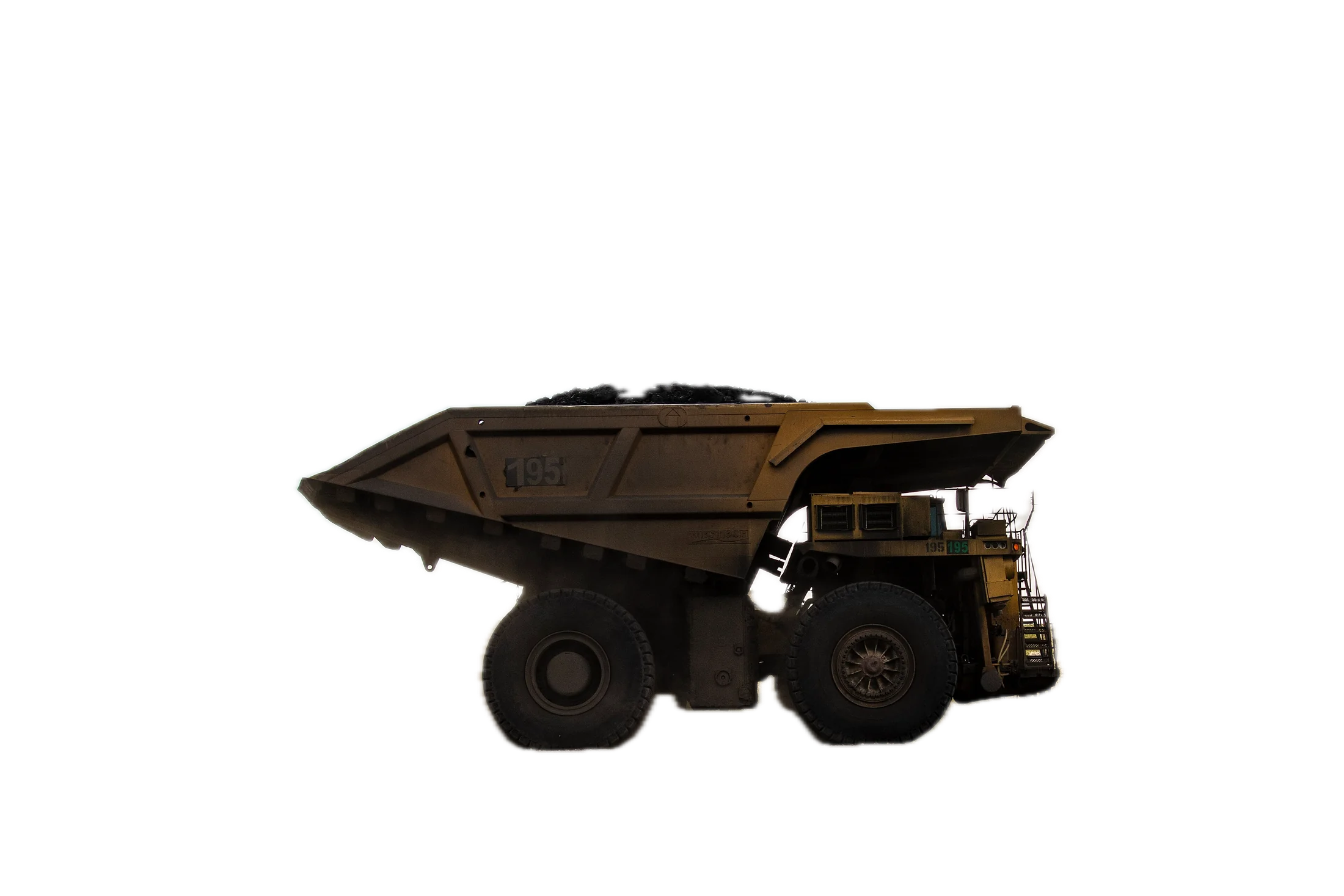
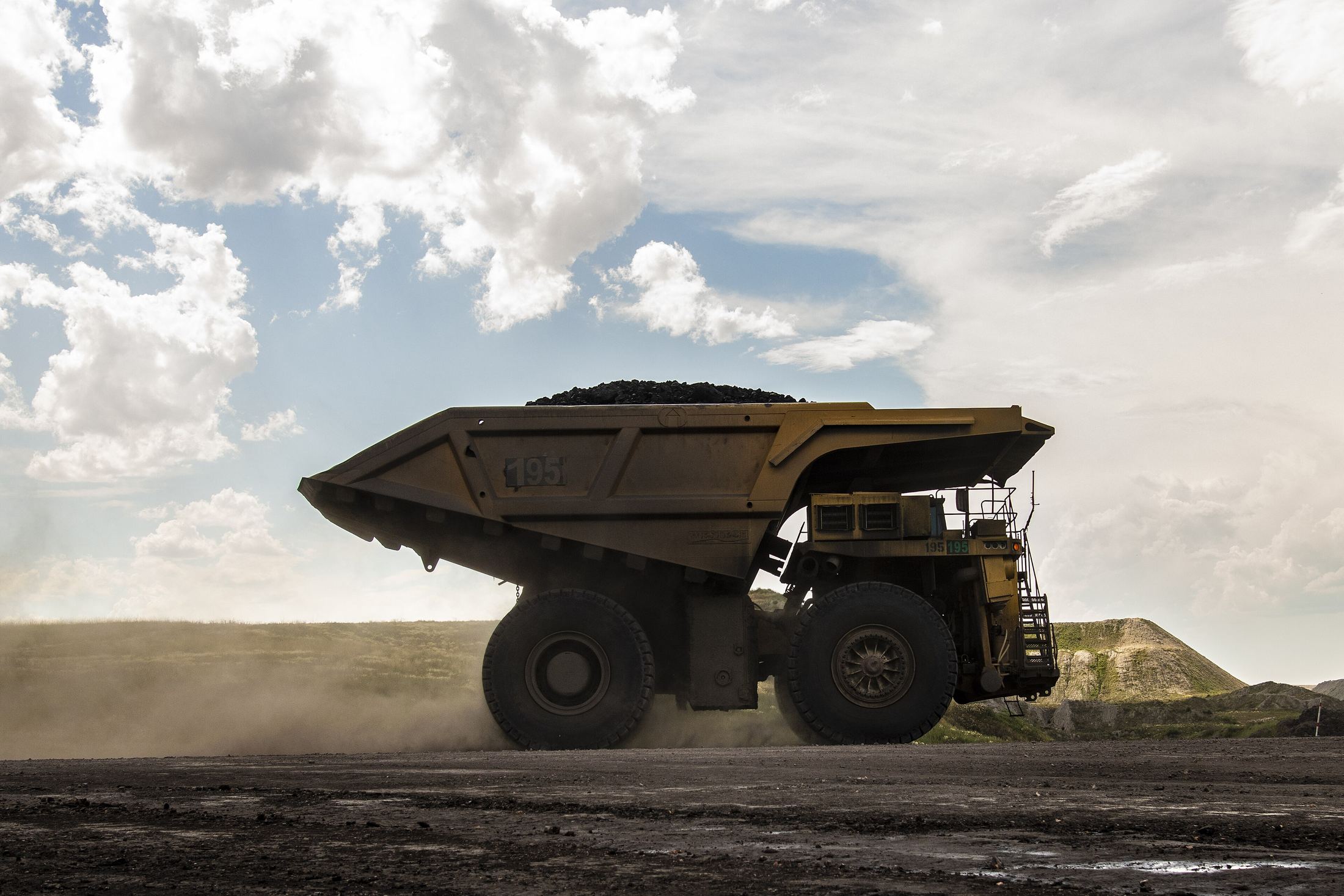
Heavy rain turns haul roads to mud. Trucks slow or stop, and a planned blast can slip. A shift is lost, and the fleet's costs are not.
A concrete pour is booked days ahead: pump, trucks, crew. Rain on the day means cancelling, or risking a bad pour.
Harvest, spraying and hauling run on short windows. A wet day idles hired machines and crews.
Forecasts help plan, but they do not pay when they are wrong.
Time is extended, but the day's costs still land on someone.
It exists, but it is usually written for a season or a large project, through a broker, and a claim needs evidence and someone to decide it.
What is missing is cover for one named day at one place, bought in minutes, that pays by rule from public records.
Choose the place, the day, the rain limit and the payout.
10 years of both records, for the same two weeks of the year, at that exact place.
Open-Meteo archive and NASA POWER, each bought from Telegraph by the contract itself.
Both over the limit: 100%. They split: 50%. Neither: nothing. Nobody decides it by hand.
Asked from the live price engine when you opened this page: a 50 test USDC payout on 15 Dec 2026. "Chance" is the share of that payout the history says you would get back on average.
| Place | Rain limit | Chance | Expected back | Price | Of which, evidence |
|---|---|---|---|---|---|
| Asking the price engine… | |||||
Price = payout × chance × 1.2 (floor 2%) + 2 USDC. The 2 USDC pays Telegraph for the two answers that settle the policy.
The 2 USDC evidence fee is fixed. On a dry-season day with a 50 USDC payout, you pay several times the expected payout. It only makes sense when the payout is large compared with 2 USDC.
NASA POWER reports an area about 50 km across, and Open-Meteo is a modelled archive. A storm can miss the cell and hit your pit, or the other way round. That is why it takes two sources, and pays 50% when they split.
Over a year in 10 cities, on days when at least one source saw 10 mm, they split 64% of the time. See the study.
NASA publishes a few days late, so a policy settles about 5 to 7 days after the day. Telegraph then answers in about 8 minutes.
Sepolia, test USDC, payouts capped at 50. No real money, and no real customer yet.
I have not spoken to a paying customer. These are the questions that decide whether this is a product. If you run a site, a pit, a farm or a crew, your answers help more than anything else.